Seaflower — The living system behind Presence

Presence was filmed within a specific, internationally significant, inhabited and actively managed marine environment. This page provides the place context that the nine-minute chapter does not attempt to summarize.

Locator

Interactive locator for geographic orientation. Markers show San Andrés, Providencia and Santa Catalina. It does not draw Seaflower Biosphere Reserve or Marine Protected Area boundaries. Official geospatial sources should be consulted for legal or management maps.

Two related designations

Seaflower Biosphere Reserve

Recognized through UNESCO’s Man and the Biosphere Programme in 2000.

A biosphere reserve combines three connected functions.

  • · Conservation of biological and cultural diversity
  • · Socially and environmentally sustainable development
  • · Research, monitoring, education and training

Seaflower Marine Protected Area

Declared in 2005 within the wider biosphere reserve.

The protected-area system uses different zones to balance strict conservation, non-extractive use, traditional fishing, research, tourism and other regulated activities.

The Seaflower Marine Protected Area appears on Colombia’s World Heritage Tentative List. It is not currently inscribed as a UNESCO World Heritage Site.

UNESCO recognition does not mean that UNESCO owns or directly administers the territory. Environmental management is carried out through Colombian and local institutions, including CORALINA and the national-park system.

One system, many environments

The environments of Seaflower form a connected system rather than isolated attractions.

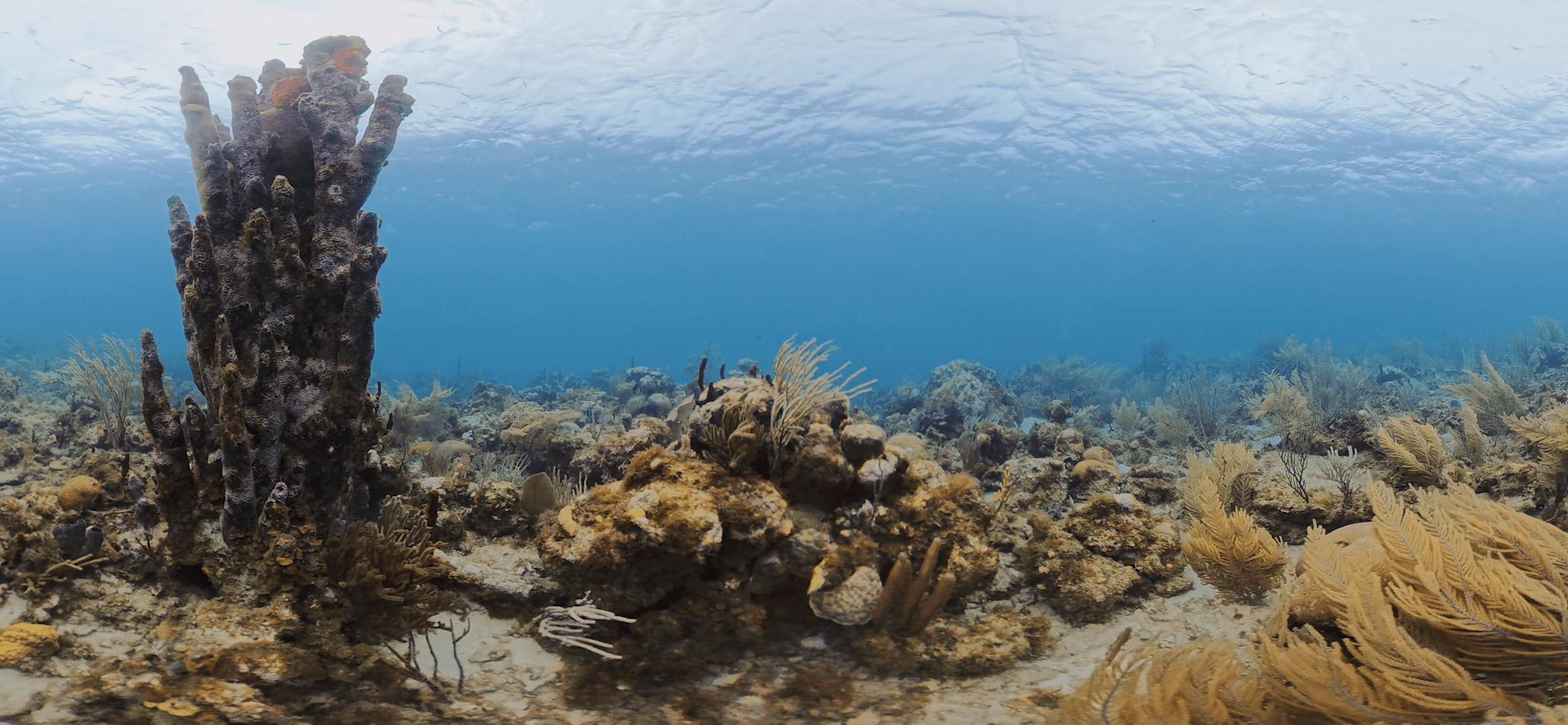
Coral reefs, seagrass, mangroves, beaches, lagoons, open ocean and deep-water habitats support different stages and forms of marine life.

  1. Mangroves
  2. Seagrass
  3. Coral reefs
  4. Open ocean
  5. Deep water

Biodiversity in official inventories

Official inventories cited by Colombia’s Ministry of Environment describe exceptional marine biological richness across the reserve.

Totals change as research continues. Species are not identified from Presence footage on this site unless reviewed by a qualified local or scientific expert.

Official recorded biodiversity
More than 2,564 species
Threatened species in official inventories
More than 70
Shallow coral areas
More than 77% of Colombia’s total

Species totals reflect official inventories cited by Colombia’s Ministry of Environment in 2020 and may change as research continues.

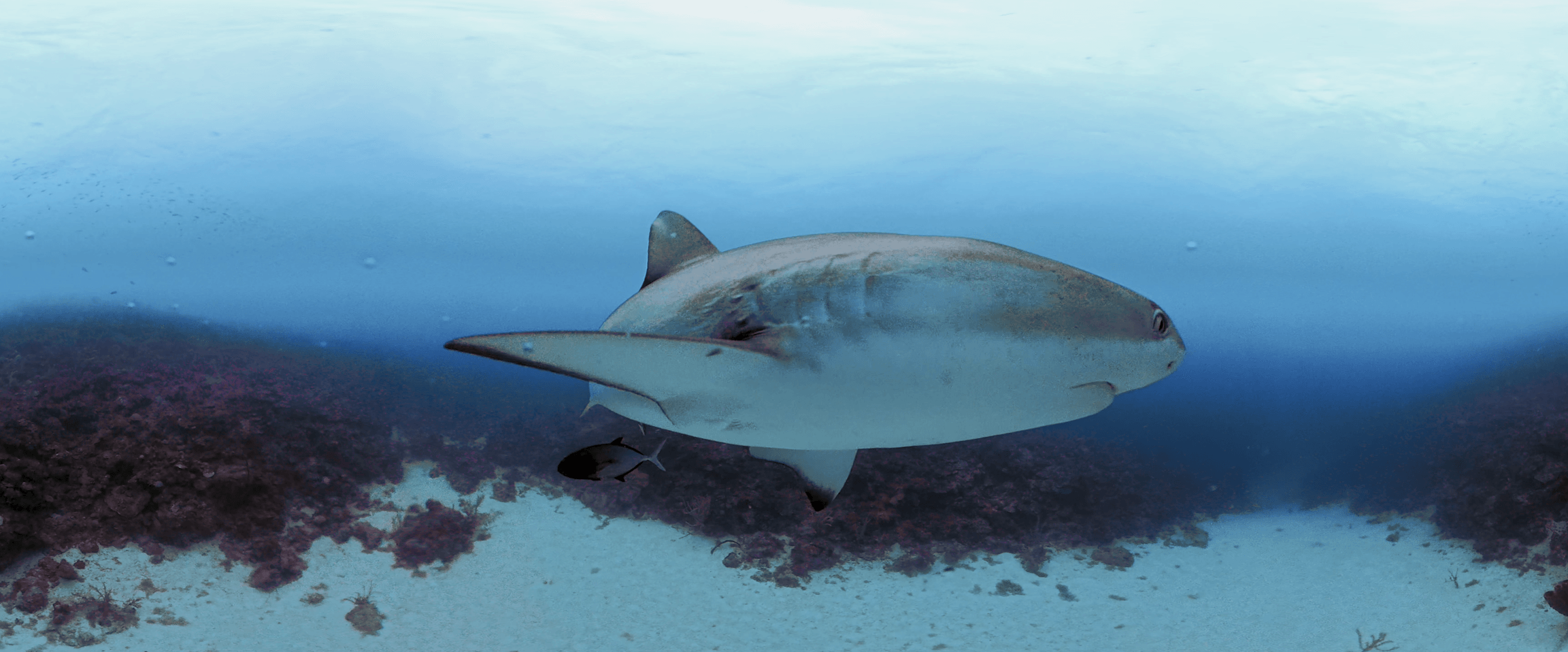
Filmed in Seaflower. Environmental conditions vary between sites and through time.

A lived territory

Seaflower is home to the Raizal people, an Afro-Caribbean community native to San Andrés, Providencia and Santa Catalina.

Their Creole language, maritime knowledge, fishing traditions, foodways and relationship with the sea are part of the reserve’s identity.

The Seaflower Marine Protected Area was developed through a participatory process involving local stakeholders, particularly people whose lives and livelihoods depend on marine resources.

Seaflower is both an ecological system and a cultural territory.

Protected, not immune

A protected area can still be changed. Presence was filmed within richness—and within the pressures affecting the wider Caribbean.

Ocean heat

Extreme temperatures in 2023 caused mass coral bleaching around San Andrés. Bleaching does not always mean immediate coral death, but prolonged heat weakens coral and increases its vulnerability.

Coral disease

Stony coral tissue loss disease has spread through much of the archipelago. CORALINA and its partners are treating priority colonies and monitoring interventions.

Local pressure

Pollution, nutrient-rich wastewater, marine litter, resource overexploitation, vessel impacts and intensive use of popular sites can compound climate stress.

Extreme storms

Hurricane Iota struck Providencia in 2020, damaging more than 90% of the island’s infrastructure. UNESCO reports that approximately 70% of its mangroves were destroyed.

Conservation is active work

Protection is not a label. Across Seaflower, authorities, scientists, fishers, divers, community organizations and residents are engaged in monitoring, management and restoration.

  • · Coral-disease monitoring and treatment
  • · Sexual coral reproduction
  • · Coral nurseries and transplantation
  • · Mangrove restoration
  • · Reopening tidal channels
  • · Invasive-species management
  • · Protected-area zoning
  • · Sustainable fishing measures
  • · Environmental education
  • · Community-based monitoring
  • · Research expeditions

On Providencia, community-led mangrove restoration supported through UNESCO’s MangRes programme combines local knowledge, scientific assessment and long-term monitoring.

On San Andrés, CORALINA and partner organizations have been treating coral colonies affected by stony coral tissue loss disease and developing coral-reproduction and restoration techniques.

Azul Vivo does not replace this work. It helps make the living environment—and what is at stake within it—perceptible to people who may never enter it directly.

How Presence relates to the place

The immersive chapter creates the encounter. This page and the education programme provide the context.

Presence concentrates on coral-reef observation. It does not summarize Seaflower’s ecology, culture or conservation challenges in nine minutes.

Presence is the encounter. Seaflower is the context.

Presence